
Nashville Ice Storm: What Hospitality Owners Need to Know Right Now
A practical guide for Nashville bar and restaurant owners dealing with ice storm damage—what to document, how to handle insurance, and what to watch for in your lease.
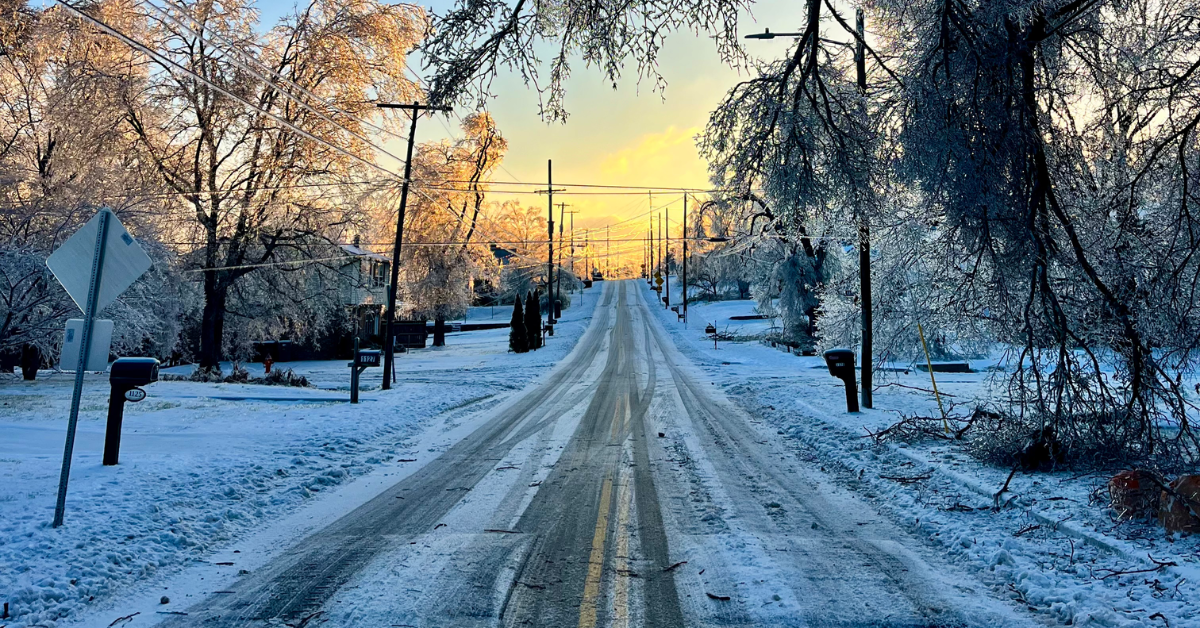
The ice storm hit Nashville hard, and if you own a bar, restaurant, or hospitality business, you're probably dealing with a mess right now. Maybe it's a burst pipe that flooded your kitchen. Maybe your walk-in lost power and you're looking at thousands of dollars in spoiled inventory. Maybe your building took damage and you're not even sure when you can reopen.
Whatever you're facing, you're not alone. A lot of Nashville's hospitality community is in the same boat this week.
The frustrating part is that even while you're focused on cleanup and getting back on your feet, you're also having to think about insurance, your landlord, your staff, and a dozen other things that don't wait just because you had a crisis.
Here's what we'd tell any hospitality owner who called us today.
Document Everything Before You Clean Up
We know you want to get back to normal as fast as possible. But before you start hauling out damaged equipment or tossing spoiled inventory, take 20 minutes to document what happened.
Walk through your space with your phone and take photos and videos of everything. Every room, every angle, every piece of damage. Get close-ups of damaged equipment and wide shots that show the scope of what you're dealing with.
Make a written list of what was lost or damaged. Be as specific as you can: what it was, when you bought it, what it cost, how much inventory you lost.
This might feel like a waste of time when there's so much to do, but you'll need this documentation later. Insurance adjusters are going to ask for it. If you end up in a dispute with your landlord, you'll want proof. What you don't capture now becomes much harder to prove a month from now.
.png)
Pull Out Your Lease
This probably isn't what you want to hear when you're knee-deep in cleanup, but your lease matters right now.
Most commercial leases have provisions that kick in when the property is damaged. Some of them help you. Some of them create obligations you might not know about.
A few things to look for:
Casualty or damage clauses. What happens if the building is damaged through no fault of yours? Who pays for repairs? Are you entitled to reduced rent while the space is unusable? Some leases say yes. Some don't.
Force majeure. This is the "acts of God" language. Does your lease excuse you from certain obligations during events outside your control? An ice storm might qualify, depending on how the clause is written.
Notification requirements. A lot of leases require you to notify your landlord about damage within a certain number of days. If you miss that window, you could lose protections you'd otherwise have. Check your lease and send written notice if required.
Insurance provisions. Your lease probably specifies what insurance you're required to carry and what your landlord is supposed to carry. Understanding who covers what will matter when you start filing claims.
If you're not sure what your lease says or what it means, don't guess. Get it reviewed before you make commitments or sign anything your landlord puts in front of you.
File Your Insurance Claim Now
Insurance claims have deadlines, and adjusters are going to be swamped after a storm like this. The sooner you file, the sooner you get in line.
If you haven't contacted your insurance company yet, do it today. Even if you're still figuring out the full extent of the damage, you can open a claim and add details later.
A few things to keep in mind:
Know what you're covered for. Business property damage, spoiled inventory, lost income during closure—these are all different types of coverage, and you may or may not have all of them. Dig out your policy and read it, or call your agent and ask.
Don't accept the first offer without reviewing it. Insurance companies aren't trying to scam you, but their first offer is often lower than what you're entitled to. Don't sign anything or accept a payout until you're confident it covers your actual losses.
Keep receipts for everything. Emergency repairs, temporary equipment, cleanup costs, hotel stays if you had to relocate—all of this might be reimbursable. Save every receipt.
Think About Your Staff
If you're closed right now, your employees are feeling it too. They're missing shifts and income, and they're probably wondering what's going to happen.
You don't have to have all the answers yet, but communicating what you know goes a long way. Even a simple "here's what's happening, here's what I know, here's when I'll know more" helps.
If you're going to be closed for an extended period, think about what options you have. Can you pay partial wages? Do your employees qualify for disaster unemployment assistance? Can you help them find temporary work at other establishments that are open?
How you handle this will affect whether your best people are still around when you're ready to reopen.
.png)
Watch Your License Status
This one flies under the radar, but extended closures can create complications with your ABC license and other permits.
Most licenses require you to maintain active operations. If you're closed for weeks or months, you may need to notify the relevant agencies or take steps to keep your license in good standing.
This probably isn't an immediate concern if you're only closed for a few days, but if your damage is extensive and reopening is going to take a while, put this on your radar.
Be Careful What You Sign
Over the next few days, people are going to put papers in front of you. Contractors giving you repair estimates. Landlords offering amendments or "temporary agreements." Insurance adjusters with settlement offers.
Slow down.
We know you're in crisis mode and you want to move fast. But signing the wrong thing now can cost you later. If someone's pressuring you to sign something immediately, that's usually a sign you shouldn't.
Get a second opinion. Have someone review it. A little patience now can save you a lot of pain down the road.
.png)
You Don't Have to Figure This Out Alone
If you're a hospitality business owner in Nashville dealing with storm damage and you're not sure what your options are, we're here.
We help bars, restaurants, and hospitality businesses navigate exactly these kinds of situations. Lease disputes, insurance issues, licensing questions, contract reviews—this is what we do.
Email us at info@bevlawgroup.com or connect with us on LinkedIn or Instagram. We'll be here.
Nashville's hospitality community has weathered a lot over the years. We'll get through this one too.
Disclaimer: This blog is for informational purposes only and does not constitute legal advice. Compliance requirements vary by state and are subject to change.
Ready to protect your beverage business?
Let's guarantee your legal and compliance needs are taken care of.
.jpg)